How Much Exercise Does Your Dog Actually Need?
One of the most common questions we get asked at Walkies & Wags is a simple one: how much exercise does my dog actually need? The answer, frustratingly, is that it depends. Every dog is different, and what works for your neighbour's Labrador might not be right for your Dachshund.
Breed Matters — But It's Not Everything
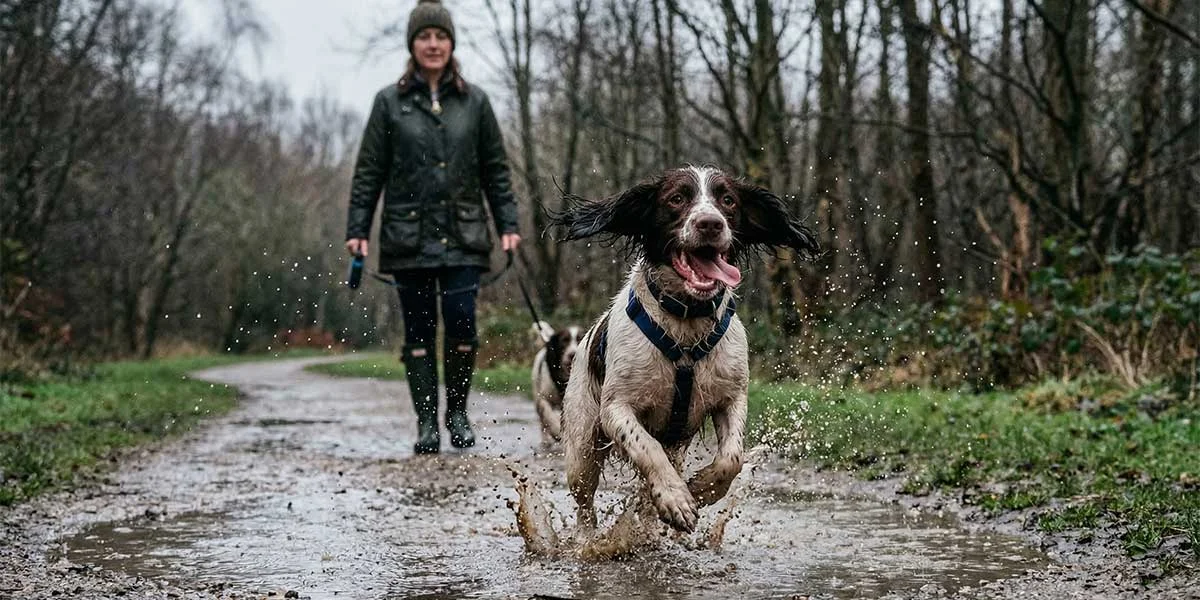
As a general rule, working and sporting breeds need more exercise than companion breeds. A Border Collie or Springer Spaniel will typically need 90 minutes to two hours of activity per day, while a Shih Tzu or Cavalier King Charles Spaniel might be perfectly content with 30 to 45 minutes.
But breed is only part of the picture. Individual temperament plays a huge role. We've walked Labradors who'd happily nap all afternoon and Jack Russells who could keep going until sunset. You know your dog better than any breed guide does.
Age Changes Everything
Puppies need less exercise than you might think. Over-exercising a puppy can actually damage developing joints and bones. A good rule of thumb is five minutes of structured exercise per month of age, twice a day. So a four-month-old puppy needs about twenty minutes per walk, twice daily.
Adult dogs in their prime (roughly one to seven years, depending on breed) are at their peak exercise needs. This is when your daily walks matter most — and when a professional walker can make the biggest difference for working dog parents.
Senior dogs still need regular exercise, but the intensity and duration should gradually reduce. Shorter, gentler walks more frequently often work better than one long hike. Watch for signs of stiffness or reluctance — your dog will tell you when they've had enough.
Signs Your Dog Needs More Exercise
Dogs who aren't getting enough exercise often show it through behaviour. Destructive chewing, excessive barking, digging, restlessness, and weight gain can all be signs that your dog needs more physical activity. If your dog is bouncing off the walls when you get home from work, a midday walk could make all the difference.
Signs Your Dog Might Be Getting Too Much
Yes, this is a thing. Dogs who are over-exercised can show signs of joint pain, reluctance to walk, excessive panting long after exercise has finished, or sleeping much more than usual. Breeds prone to joint issues (like German Shepherds and Golden Retrievers) need particular care not to overdo it on hard surfaces.
Our Approach at Walkies & Wags
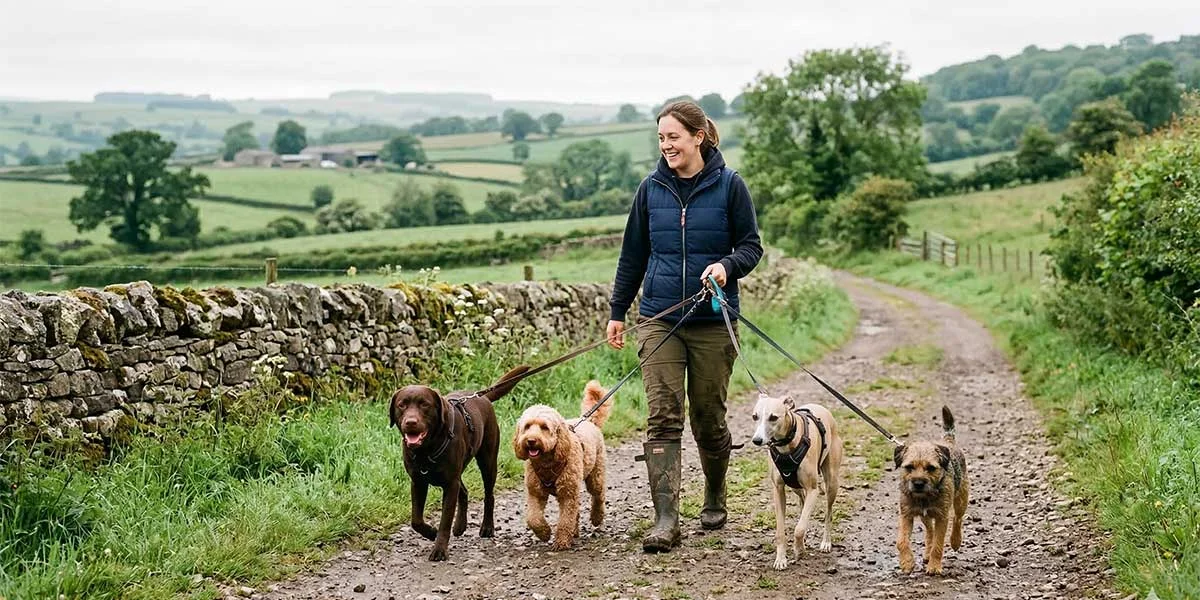
When we take on a new client, we always discuss exercise needs during the meet and greet. We match dogs to the right walk type — high-energy breeds might suit our Adventure Walk, while a gentle senior might be better with a Solo Walk at their own pace. Our group walks are kept small (maximum four dogs) specifically so we can manage different energy levels and give every dog the attention they need.
The bottom line? There's no one-size-fits-all answer. But if you're unsure, we're always happy to chat about what might work best for your dog. Just drop us a message.